
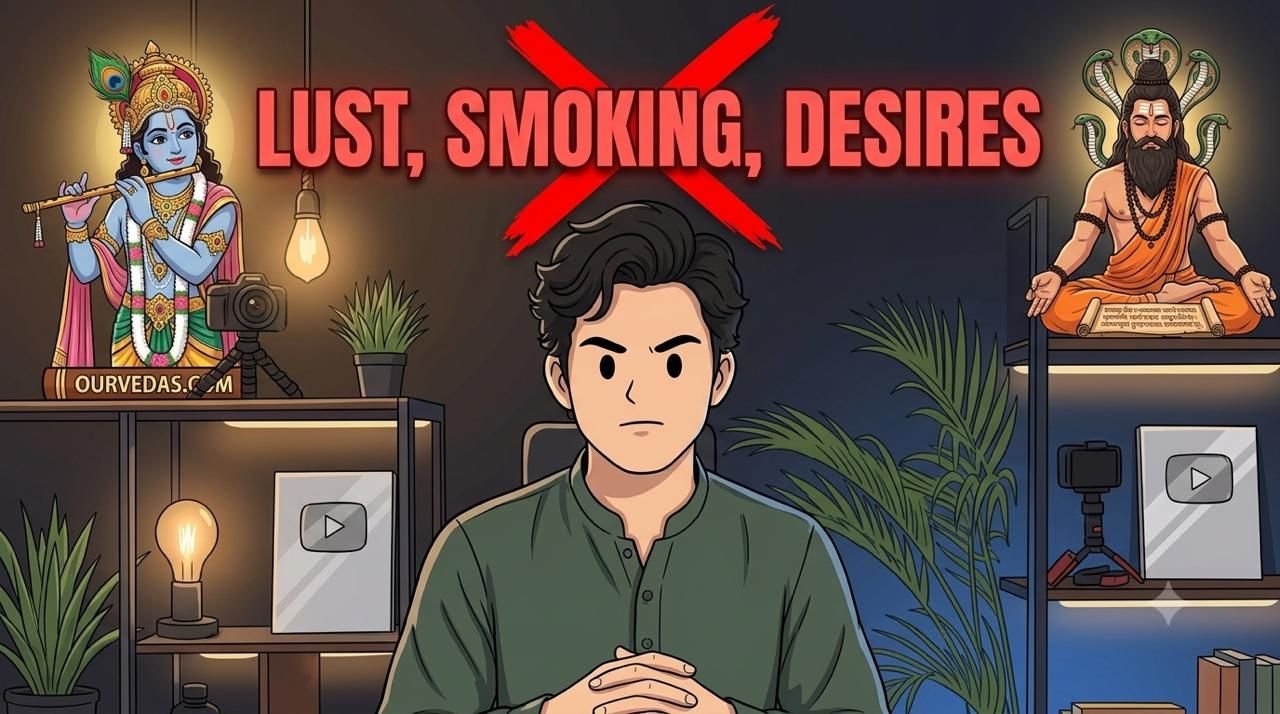
How I Broke Free from Bad Habits in 3 Months
We usually think of self-control as something reserved for yogis and monks. But honestly? It’s the single most important skill you need if you want to win at anything in life. Whether you look at ancient Eastern philosophy or modern Western ideas, the core message is the same: if you want to get anywhere—materially or spiritually—you have to ditch the habits actively dragging you down.
Our brains are crazy smart. We know exactly what hurts us. A smoker knows the cigarette is wrecking their lungs. An addict knows where that dark path leads. Yet we do it anyway. Why? Because the craving takes the wheel. Addiction creates an automatic loop that feels impossible to escape.
I’m no neuroscientist or guru, but I’ve been in the trenches with this stuff. I’ve dealt with smoking, porn, junk food, and the mental tug-of-war that comes with them. Here’s what actually worked to break the spell.
The Two Voices in Your Head
Overcoming addictions isn’t easy—it’s an outright fistfight with yourself.

Your brain basically has two modes constantly arguing with each other:
- The rational side: “This is toxic, you feel awful afterward, and you need to stop.”
- The craving side: “Come on, just one more video. Just one more puff. Just one sweet. We’ll quit tomorrow.”
You have to spot that second voice for what it is: an impulse actively working against your happiness. It’s trying to sell you something that leaves you broke, and the good side has to take back the wheel.
Ancient Wisdom Had This Figured Out
I grew up with Hindu philosophy, and it’s wild how much ancient texts talk about this exact mental fight.

In the Ashtavakra Gita, King Janaka asks Sage Ashtavakra how to find peace and freedom. The sage’s very first tip? Master your senses (indriya-samyama). It’s all over the Bhagavad Gita and Patanjali’s Yoga Sutras, too. Even thousands of years ago, sages knew our minds act like hyperactive monkeys, constantly reaching for things that end up burning us.
In the Bhagavad Gita, Krishna breaks down the trap of cheap pleasures: anything that gives you an effortless high right now usually leaves you feeling drained, depressed, and full of regret an hour later.
Think about it:
It’s like buying cheap knockoff gear—it works for a minute, breaks down immediately, and leaves you worse off.
The Cheat Code: High-Quality Highs
Here’s the catch: you can’t just stop a bad habit through brute willpower. You have to swap it for something better.

- Binging junk food feels great for ten minutes; then you feel sluggish and gross.
- Mindless scrolling or smoking takes the edge off for a second; then guilt creeps in.
Krishna points out that real, lasting fulfillment comes from things that require upfront effort:

- Going for a run or hitting the gym: Hard to start, but twenty minutes in, runner’s high kicks in and you feel like a million bucks all afternoon.
- Pranayama (breathwork) & meditation: Techniques like Sudarshan Kriya literally reset your nervous system and give you a calm, natural buzz without the hangover.
A cheap high (fast food, smoking, doomscrolling) and a earned high (exercise, breathwork, real focus) can’t survive in the same room. Start stacking the good ones, and the bad ones will slowly lose their grip.
Catch Yourself in the Act
Your body runs on autopilot most of the day—your heart beats, your lungs breathe, and unfortunately, your addictions run in the background too.

The trick is learning to hit pause the moment a trigger shows up. Maybe you had a brutal day at work or got into an argument, and suddenly your chest tightens and your brain yells, “I need a smoke” or “Let’s zone out with junk food.”
Don’t judge it—just watch it happen. Notice the physical sensation, take a breath, and choose a different reaction. Instead of reaching for the vice, do ten pushups, go for a quick walk, or sit and take ten slow, deep breaths. Every time you interrupt the loop, you weaken the groove in your brain.
Cut Back on Cheap Dopamine
Dopamine is just your body’s built-in reward system. It’s meant to fire when you actually get stuff done—finishing a tough project, crushing a workout, or learning something new.
Modern life has completely hacked this system with short reels, endless porn, and hyper-processed snacks. When your brain gets flooded with free dopamine while sitting on the couch, it loses all motivation to do hard, meaningful work. Dialing back on the cheap hits gives your brain space to breathe and reset.
It’s never too late to turn things around. The Bhagavad Gita mentions that your mindset and choices matter right up to your final breath, so don’t beat yourself up over yesterday.
Start small. Treat yourself with some genuine compassion—and remember that real compassion starts with taking care of your body and mind.